
Thrivekin
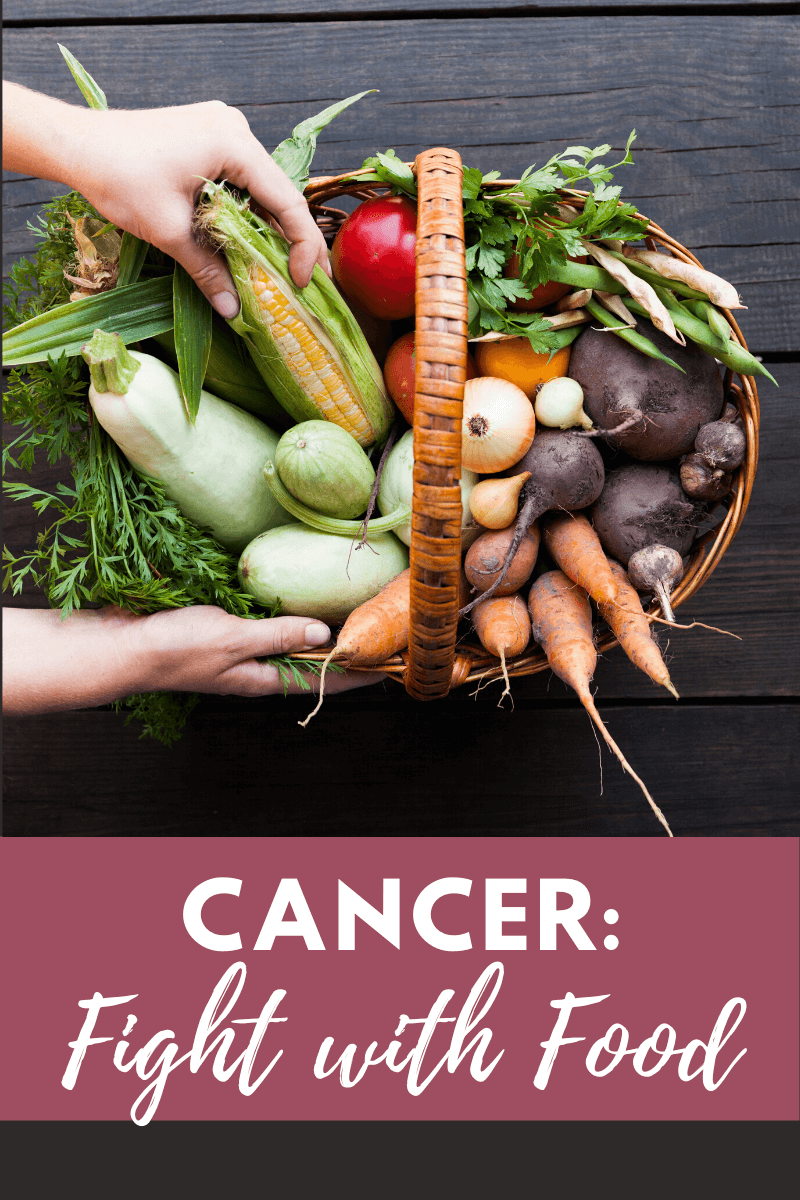
There are numerous studies proving food’s ability to protect and fight against cancer. So why isn’t this one of the first things that is discussed after diagnosis? This completely baffles me.
The main goal while treating cancer is to remove cancer cells, halt them from spreading, and protect normal cells from mutating into cancer cells. Certain foods have the power to do all of this. There is certainly no harm in adding a healthy diet to traditional cancer treatment. Not only will certain foods help fight cancer, but they will also help boost the immune system, which will absolutely need it if chemotherapy or radiation is used. The diet must be balanced to kill cancerous or precancerous cells without causing deficiencies in your immune system or hormonal changes that can make you frail. (1)
The Director of the USC Longevity Institute, Dr. Valter Longo, recommends the following for those at high risk of cancer:
1. Reduce protein intake to 0.31 grams per pound of body weight per day. A 150lb individual should consume around 46.5 grams of protein daily. Preferably from plant-derived sources.
2. Limit fish intake to one or two times a week, otherwise stick to plant-based foods.
3. Reduce sugars to very low levels. Also minimize the consumption of pasta and breads. It is important to keep blood-sugar levels as low as possible within the safe range.
4. Maintain a healthy weight and BMI.
5. Exercise regularly.
6. Nourish yourself with essential fatty acids (omega-3 and omega-6), vitamins, and minerals from a variety of vegetables (see list of cancer fighting vegetables and other foods below).
7. Consume plenty of good fats from olive oil, nuts, and fish, but minimize saturated fats, even those that are vegetable-derived.
8. Consume as little alcohol as possible. (2)
Now, lets look at the foods to minimize or avoid.
1. As stated above, minimize intake of saturated fat. This includes coconut, fatty meats, processed meats such as bacon and pepperoni, high sugar foods such as ice cream, palm oil, cheese, whole milk, and butter.
2. Fried Foods- French fries, for example, contain acrylamide. The International Agency for Research on Cancer classifies acrylamide as a “probable human carcinogen” based on data showing it can increase the risk of some types of cancer in lab animals. (3). Also, avoid frying foods at home. When fat is heated to frying temperatures, whether it be animal fat, such as lard, or plant fat, such as vegetable oil, toxic volatile chemicals with mutagenic properties (those that cause genetic mutations) are released into the air. (4) A study on smokers in China, showed that smokers who fry meat at home every day had nearly three times the odds of lung cancer than those who fry foods other than meat on a daily basis. (5)
3. Food Additives- Researchers at Georgia State University’s Institute for Biomedical Sciences found that mice that regularly ingested the dietary emulsifiers called polysorbate-80 and carboxymethylcellulose experienced exacerbated tumor development and increased, low-grade inflammation and colon carcinogenesis. (6) These type of emulsifiers are found in ice cream, toothpaste, mouthwash, laxatives, and diet pills.
The foods to eat NOW!
1. Broccoli- In a 2010 study on chronic smokers, those that ate broccoli (just a single stalk a day) suffered 41% fewer DNA mutations in their bloodstream over ten days. This suggests that eating vegetables like broccoli may make you more resilient at a subcellular level. (7)
2. Other Cruciferous Vegetables such as cabbage, cauliflower, brussel sprouts and kale- Also shown to prevent further DNA damage. Another 2010 study showed when cruciferous vegetable compounds were dripped onto cancer cells in a petri dish, the cancer creep was stunted. (8) Also, Yale Researchers found that those with non-Hodgkin’s lymphoma who ate 3 or 4 servings of vegetables daily had a 42% improved survival rate over those who ate less. (9).
3. Orange Colored Fruits and Vegetables- Sweet potatoes, carrots, squash, pumpkin, and citrus fruits contain carotenoids, which is an essential nutrient for immune functioning and fighting cancers of the skin, eyes and organs.
4. Mushrooms- These are the best dietary source of ergothioneine, which appears to function as a high powdered antioxidant.
5. Other Vegetables- Asparagus, celery, eggplant, english cucumber, green beans, green onions, jalapeño, leek, orange bell pepper, potato, radish, tomato, red onion are also top cancer-fighting vegetables!
6. Turmeric- Curcumin, which is the bright yellow pigment in turmeric appears to potentially help prevent and/or arrest cancer cell growth. (10)
7. Berries- Rich in antioxidants, which fight free radicals in the body, are ideal. In one study, 11 common fruits were tested by dripping their extracts on cancer cells growing in a petri dish. Berries had the most positive impact on thwarting the cancer cells. (11) Organically grown berries in particular may suppress cancer cell growth better than those grown conventionally. (12) The berries that pack the most antioxidant punch are blackberries, blueberries, raspberries, cranberries, and strawberries, respectively.
Tart Cherries are also anti-inflammatory and a great choice for cancer fighting.
9. Beans and lentils- Such as black beans, black-eyes peas, chickpeas, kidney beans, pinto beans, and split peas. The most comprehensive analysis of diet and cancer ever performed was published in 2007 by the American Institute for Cancer Research. Due to the nutrient density of beans, they recommend eating legumes with every single meal. (13) Canned beans have been found to be as nutritious as home cooked; however, make sure they are very low sodium.
10. Herbs- Cook with and eat immune boosting herbs such as thyme, garlic, ginger, cayenne pepper, basil, oregano, and parsley.
10. Nuts and Seeds- Insufficient nut and seed intake is thought to lead to the deaths of millions of people every year, fifteen times more than all those who die from overdoses of heroin, crack cocaine, and all other drugs combined. (14) One of the most amazing cancer-fighting seed is flaxseed as it contains one hundred times the amount of lignans. Lignan intake is associated with significantly reduced breast cancer in postmenopausal women (15). They are also high in Omega 3 which is essential for reducing inflammation in the body. Chia seeds are also a great option. What nut is the best option? Walnuts! They beat out other nuts in vitro in suppressing cancer cell growth. (16)
11. Beverages- A Harvard University study of nearly 48,000 men found that the risk of bladder cancer decreased by 7% for every extra daily cup of fluid consumed. A high intake of water (say 8 cups a day) may reduce the risk of bladder cancer by about 50%, potentially saving thousands of lives. (17) Green Tea is also a great choice. Drinking tea may protect against gynecological malignancies, such as ovarian cancer (18) and endometrial cancer (19).
Cancer Fighting Supplements
These are the supplements I recommend to help boost immune system function, help fight free radicals, and potentially keep cancer from spreading:
1. Standard Process Cruciferous Complete- Packed with all of the important cancer fighting cruciferous vegetables! https://amzn.to/2OeYdVI
2. Standard Process Green Food- Contains all of the dark leafy greens that are essential to fighting cancer.https://amzn.to/2Okleqv
3. Turmeric/curcumin- www.truvani.com or https://amzn.to/2xfIMW9
4. Vitamin D- https://amzn.to/2CRDF4A
5. Fish Oil- Great way to get Omega-3 especially if diet is low on fish and nuts/seeds. https://amzn.to/2CUeE8Q or https://amzn.to/2CVAbOt
6. Probiotic- https://amzn.to/2CVAKI5 or https://amzn.to/2CSyH7n (women) or https://amzn.to/2CRFleo (men).
7. Standard Process Epimune Complex- https://amzn.to/2NJzvzI
If you are one of the millions suffering from cancer, it is NEVER too late to start living and eating healthier. The restorative powers of the human body are miraculous, but your body needs your support.
If you need any nutritional guidance to help support you along your health journey, please contact me at dana@mitchellfamilychiro.com.
*As always, please consult with your doctor before making any significant dietary changes.
Questions? Just ask!
Want to work with me 1:1 to create the perfect diet for you and/or your family? Contact me today at dana@thrivekin.com.
Sources:
1. Longo, Dr. Valter. The Longevity Diet. New York: Penguin Random House LLC. 2016 pg 135
2. Longo, Dr. Valter. The Longevity Diet. New York: Penguin Random House LLC. 2016 pgs 135-136
3. https://monographs.iarc.fr/wp-conte…/…/2018/06/mono60-16.pdf
4. Chiang TA, Wu PF, Wang LF, Lee H, Lee, Ko YC. Mutagenicity and polycyclic aromatic hydrocarbon content of fumes from heated cooking oils produced in Taiwan. Mutat Res. 1997;381(2):157-61
5. Show A, Poh WT, Teh M, et al. Fumes from meat cooking and lunch cancer risk in Chinese women. Cancer Epidemiol Biomarkers Prev. 2000;9(11):1215-21.
6. http://cancerres.aacrjournals.org/…/05/0008-5472.CAN-16-1359
7. Riso P, Martini D, Moller P, et al. DNA damage and repair activity after broccoli intake in young healthy smokers. Mutagenesis. 2010;25(6):595-602
8. Wu X, Zhu Y, Yan H, et al. Isothiocyanates induce oxidative stress and suppress the metastasis potential of human non-small cell lung cancer cells. BMC Cancer. 2010;10:269.
9. Han X, Zheng T, Foss F, et al. Vegetable and fruit intake and non-Hodgkin lymphoma survival in Connecticut women. Leuk Lymphoma. 2010;51(6):1047-54.
10. Park W, Amin AR, Chen ZG, Shin DM. New perspectives of cur cumin in cancer prevention. Cancer Prev Res (Phila). 2013;6(5):387-400.
11. Sun J, Chu YF, Wu X, Liu RH. Antioxidant and antiproliferative activities of common fruits. J Agric Food Chem. 2002;50(25):7449-54.
12. Olsson ME, Andersson CS, Oredsson S, Berglund RH, Gustavsson KE. Antioxidant levels and inhibition of cancer cell proliferation in vitro by extracts from organically and conventionally cultivated strawberries. J Agric Food Chem. 2006;54(4):1248-55.
13. World Cancer Research Fund/ American Institute for Cancer Research. Food, Nutrition, Physical Activity, and the Prevention of Cancer: a Global Perspective. Washington D.C.: AICR, 2007.
14. Lim SS, Vos T, Flaxman AD, ét al. A comparitie risk assessment of burden of disease and injury attributable to 67 risk factors and risk factor clusters in 21 regions, 1990-2010: a systematic analysis for the Global Burden of Disease Study 2010. Lancet. 2012;380(9859):2224-60.
15. Buck K, Zaineddin AK, Vrieling A, Linseisen J, Chang-Claude J. Meta-analyses of lignans and enterowignans in relation to breast cancer risk. Am J Clin Nutr. 2010;92(1):141-53.
16. Yang J. Liu RH, Halim L. Antioxidant and antiproliferative activities of common edible nut seeds. Food Sci Tech. 2009;42(1):1-8
17. Michaud DS, Spiegelman D, Clinton SK, et al. Fluid intake and the risk of bladder cancer in men. N Engl Med. 1999;340(18):1390-7.
18. Trudel D, Labbe DP, Bairati I, Fradet V. Bazinet L, Tetu B. Green tea for ovarian cancer prevention and treatment: a systematic review of the in vitro, in vivo and epidemiological studies. Gynecol Oncol. 2012;126(3):491-8.
19. Butler LM, Wu AH. Green and black tea in relation to gynecologic cancers. Mol Nutr Food. Res. 2011:55(6):931-40.