Cooking oils- Are they hurting your health?
When I was eating a Paleo/Primal Diet, oils and “healthy” fats were a big focus. It was encouraged to put butter in your coffee and to cook with coconut oil.
In those days, I did more following and less researching. Getting older has definitely made me question more and dig deeper.
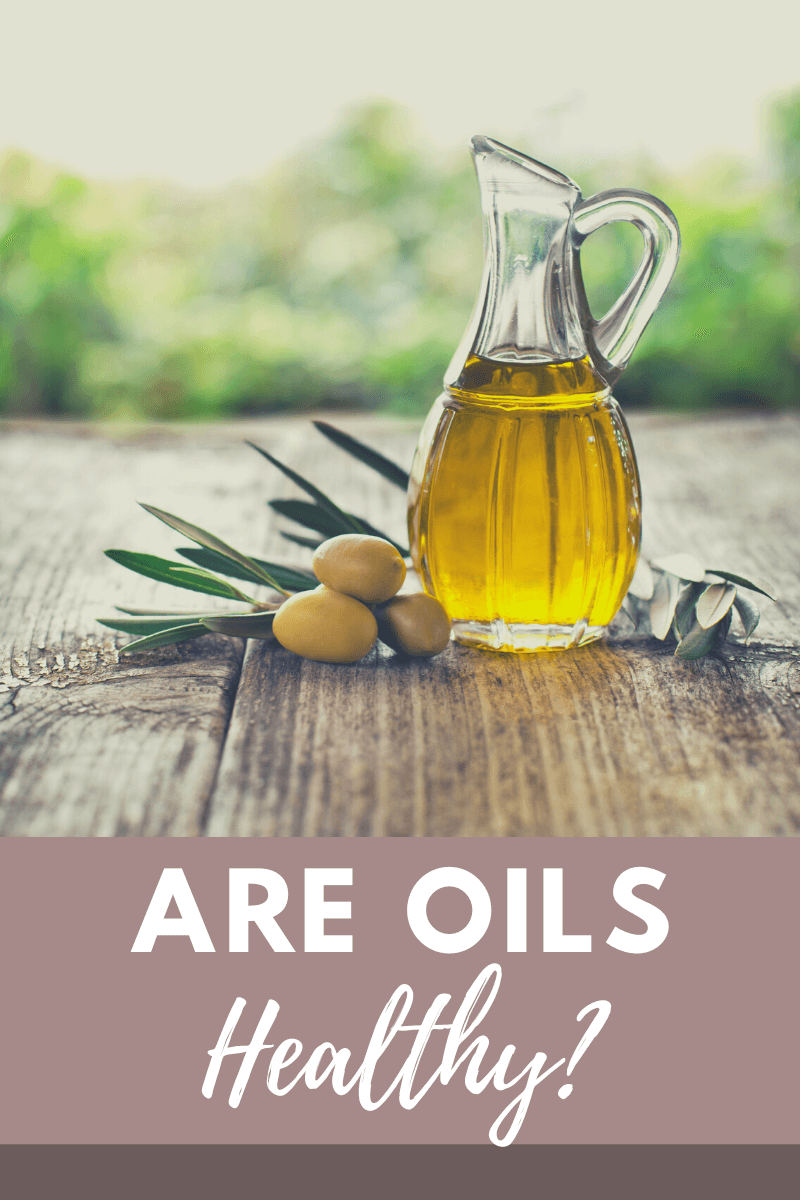
I was listening to a podcast the other day and the topic of oils came up. Specifically olive oil. The guest posed an interesting question: If food is made in a perfect package with all of the accompanying vitamins and nutrients, why would we extract just one macro nutrient (fat) out of a food and consume it?
I thought that was a valid question, so I set out to get some answers.
Dr. Gregor, author of How Not to Die, believes that extra virgin olive oil is a “yellow-light food” and should be used on a limited basis.
This is the opposite of what I learned during my Paleo days. No wonder most people are confused about nutrition!
Let’s check out Dr. Gregor’s argument. When it comes to processing olive oil, apparently most of its nutrition has been removed. He says, “Think of extra-virgin olive oil a little like fruit juice: it has nutrients, but the calories you get are relatively empty compared to those from the whole fruit. (Olives are, after all, fruits).”
Even freshly squeezed olive juice already has less nutrition than the whole fruit, but then olive oil producers also throw away the olive wastewater, which contains the water-soluble nutrients. As a result, you end up getting just a small fraction of the nutrition of the whole fruit by the time extra virgin olive oil is bottled.
Interesting.
So a TBSP of olive oil is 100 calories, but those calories contain a small fraction of nutrients compared to eating 100 calories of whole olives? That doesn’t seem fair.
I was always under the impression that the extracted oil was the most nutrient dense part of the food. Apparently, the whole food is the most nutrient dense part of the whole food. Who would have thought?!
Why do manufacturers do this so often? For example, they take beets, throw away the best parts, and make beet sugar? They also take corn, burn it down to make highly inflammatory corn oil.
According to one study, consuming olive oil and other oils can cause impairment of artery function that occurs just hours after consumption. (1)(2) However, this impairment does not happen after consuming sources of fat like nuts. (3)
Dr. Kimberly Gomer, MS, RD, LDN, Director of Nutrition at Pritikin Longevity Center in Miami states, “Several studies have shown that increasing the calorie density of the diet by increasing the fat content increases the TOTAL amount of calories people tend to consume at each meal before they get up from the table, feeling full”. As a result, “consuming a lot of olive oil (or any other fat) can easily lead to weight gain and obesity, which leads us straight to poor heart health.” (4)
So if you’re struggling to lose weight and are consuming oils such as coconut oil, olive oils, etc. it would be advantageous to reduce your daily amount. And I’m not saying to reduce calories below a healthy range. If you consume X amount of calories in oils, look at how you can replace those calories with nutrient dense WHOLE foods.
But food will stick and burn if I don’t use cooking oils!
To be quite honest, I didn’t know how to cook without oils and I wasn’t crazy about using non-stick cookware. Surprisingly, it’s pretty easy to do! I just use vegetable broth or in some cases just water! You can also find many oil-less recipes that use ingredients like mashed bananas, canned pumpkin, etc to provide the moisture that oils do.
Want some oil free recipes? I posted my Oil-Free Vegan Pinterest Board in the comments!
Questions? Just ask!
Want to work with me 1:1 to create the perfect diet for you and/or your family? Contact me today at dana@thrivekin.com.